


Best Healers in RAID: Shadow Legends
Discover the best healing champions in Raid: Shadow Legends and learn which heroes can restore health, support your team, and keep your squad alive during the toughest battles.
What healing does in raid

How Healing Abilities Work
Healing abilities restore lost health to allies during battle, helping champions recover from damage and survive longer in combat. When a healing skill is activated, it restores a portion of HP to either a single ally or the entire team, depending on the ability. This helps counter incoming damage, stabilise your team, and improve survivability during difficult or extended encounters.
There are several types of healing in Raid: Shadow Legends, each functioning differently depending on the champion’s skills. Some abilities equalise HP by redistributing health across allies, bringing weakened champions closer to the health levels of healthier teammates. Others restore HP based on a percentage of MAX HP, using either the caster’s or the target’s total health as the scaling factor. Healing can also come from buffs such as Continuous Heal, which restores HP at the start of each turn, providing steady recovery over time instead of a single burst heal.
Why Healing Is Important
Healing plays a vital role in keeping your team alive during challenging battles. As fights become longer and enemies deal sustained damage, healing allows your champions to recover lost HP and remain effective throughout the encounter. Without reliable healing, your team can quickly become overwhelmed as damage accumulates over time.
Consistent healing supports your overall team strategy by maintaining survivability, strengthening defensive setups alongside shields and buffs, and giving your damage dealers more opportunities to continue attacking. In high-level content, strong healing can often be the difference between victory and defeat.
Why healing champions are valuable

Sustaining Teams in Long Battles
Healing is essential for surviving extended encounters against powerful bosses, as it continuously restores lost HP and helps counter the steady damage enemies deal over time. In battles such as Clan Boss or Doom Tower encounters, incoming damage gradually wears teams down, making reliable healing crucial for long-term survival.
Consistent healing keeps champions healthy throughout the fight, works alongside defensive mechanics like Shields and Ally Protection, and allows your team to remain effective for more turns. This sustained survivability is key to maintaining damage output and successfully completing difficult battles.
Recovering From Heavy Damage
Healers also play a critical role in helping teams recover after taking large bursts of damage. Powerful enemy attacks can leave champions dangerously low on HP and vulnerable to being defeated by follow-up attacks. Strong healing abilities can quickly restore lost health, stabilise the team, and prevent fights from spiralling out of control.
By recovering your team after heavy damage, healers make runs far safer and more consistent, particularly against bosses or enemy waves capable of dealing high burst damage.
Best areas to use healing champions

Demon Lord, Hydra & Chimera Clan Boss
Healing is vital in long-form boss encounters such as Demon Lord, Hydra, and Chimera Clan Boss, where teams must endure repeated attacks over many turns. By continuously restoring HP, healing allows your champions to recover from incoming damage, survive sustained pressure, and remain effective throughout the battle. This long-term survivability helps keep your team stable while maintaining consistent damage output over extended encounters.
Hydra introduces an additional challenge through the Head of Decay, which reduces a champion’s MAX HP whenever they receive healing, based on a portion of the healing restored. This mechanic weakens the overall effectiveness of healing and can make fights increasingly difficult as your team’s health pool shrinks over time. To manage this, teams often rely on Restore MAX HP effects or focus on defeating the Head of Decay quickly to prevent the mechanic from becoming overwhelming.
Success in these encounters is determined by the amount of damage your team can deal before reaching the turn limit or being defeated, rather than how quickly the fight ends. Since higher reward tiers are tied to greater damage totals, surviving longer is essential — and strong healing plays a major role in helping teams reach those important milestones.
Doom Tower & Dungeons
Healing greatly improves survivability in Doom Tower and dungeon content by helping teams recover from the constant damage taken throughout waves and boss fights. In these battles, champions are often exposed to repeated attacks, powerful abilities, and sustained pressure that can quickly wear teams down without reliable recovery.
Consistent healing keeps your champions healthy between enemy turns, reduces the risk of losing key team members, and creates a much more stable run overall. This added sustain allows teams to progress through more difficult stages with greater consistency, especially in high-level content where enemy damage becomes increasingly dangerous.
Best Healing champions in raid
Here we’ve highlighted some of the best Healing champions in Raid: Shadow Legends, each bringing unique strengths and utility to their teams. While this isn’t a complete list, it provides a solid overview of what makes these champions so valuable in battle. If you’re looking for even more options, be sure to check out our Champion Tier List.

Pain Keeper

Reliquary Tender

Reliquary Tender has a backup revive if you’re ever in trouble, but it’s her amazing A2 which removes all debuffs and give you Continuous Heals instead that is her best move. This is an amazing ability for survivability and will keep your team alive–particularly against tough bosses who place lots of debuffs, like the Nether Spider.
Yuzan the Marooned
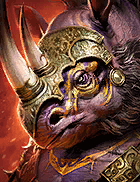
Yuzan is a fairly new champion who brings potential team healing on every ability thanks to his passive. His A3 is the typical healing ability, giving Block Debuffs to your team. His A2 is interesting as it is an offensive move which removes buffs from enemies. He’s a great pick for Skinwalkers who can often be lacking in defensive supports.
Melga Steelgirdle

Donatello

Donatello was a time limited champion from the TMNT event. He’s an incredible general support for anyone lucky enough to have him, bringing tremendous healing on both his A3 and A1–and even a cheat death passive. He’s best when paired with another turtle, since the extra passive A1 attacks they trigger can add up to a lot of healing from Donnie.
Opardin Clanfather

Opardin is a beast when it comes to raw healing output–especially since his fairly recent buff! He also brings the highly valuable Block Debuffs buff and can turn any Continuous Heals into a source of turn meter boosting for your team; he’s a classic combo champion with Senna, who doubles-down on this synergy.
Raglin
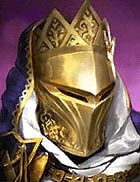
Pythion
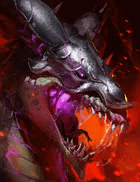
Pythion is the archetype of a tanky healer, removing your debuffs, reviving the team, providing Block Debuffs… and of course doing tons of healing! If you want your team to stay alive there are few champions better than Pythion–but note that he brings almost no offensive benefits to the team which is his big downside.
Starsage Galathir

Androc the Glorious

Androc is quite possibly the best healing champion in the entire game, bringing loads of direct healing alongside other survivability buffs. His passive is famous for generating tons of turn meter for your team, but it’s the bonus RES stats that he gives (along with his Increase RES buff) which makes him so strong, allowing your team to basically resist anything any boss can throw at you without actually having to build any RES on those champions. He’s incredibly good, and seen in most top teams for bosses alongside Senna.
How to build healing Champions
Speed & Health Requirements
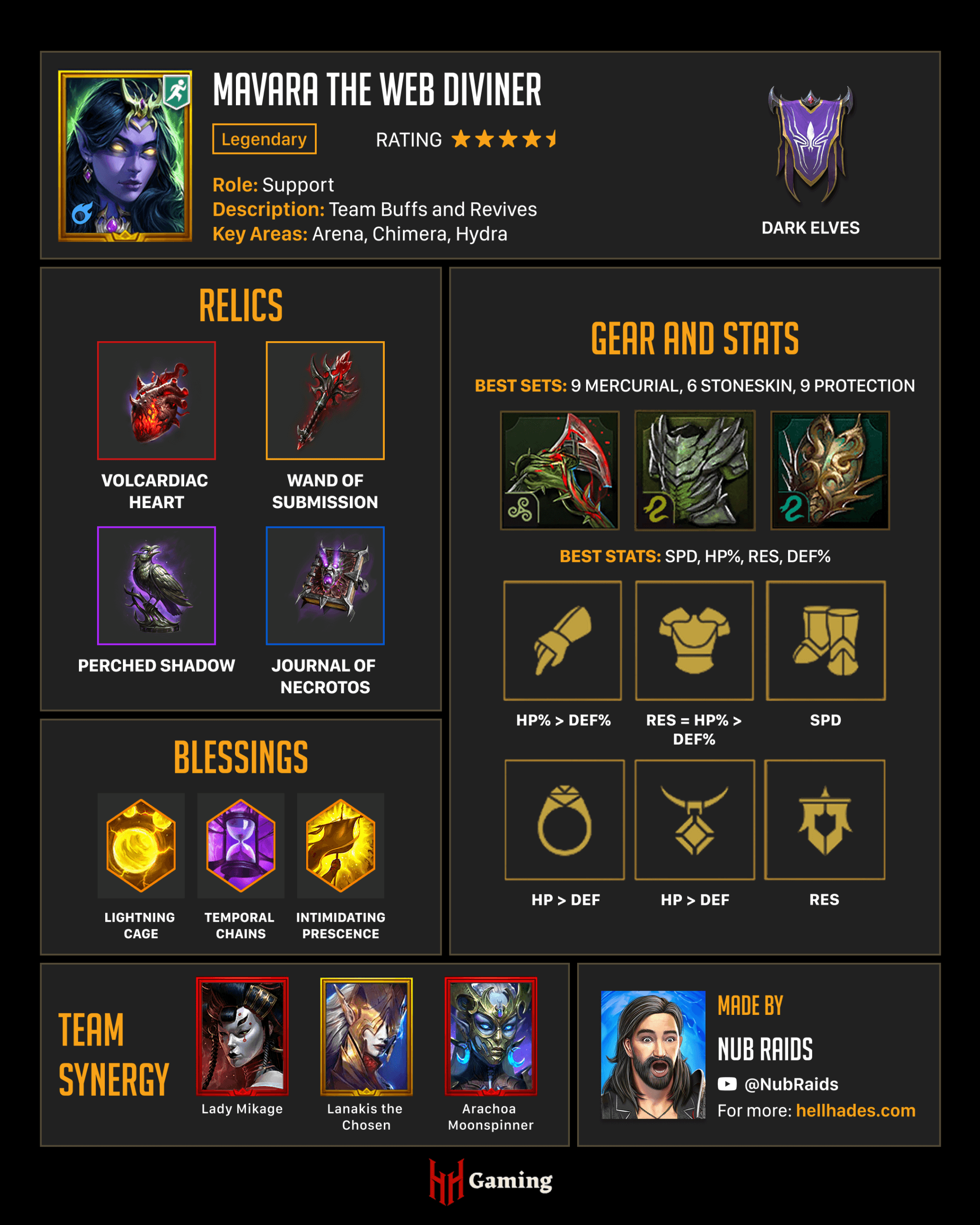
To build healing champions effectively, the main focus should be on Speed and survivability stats, particularly HP when their healing scales from their own MAX HP. Many healers restore health based on a percentage of their HP, meaning higher HP directly increases the strength of their healing and improves their ability to keep the team alive.
Speed is just as important, as faster champions take more turns and can use their healing abilities more frequently. This allows healers to react quicker to incoming damage and maintain better uptime on their support skills. Combining high HP for stronger heals, DEF for additional durability, and strong Speed ensures your healer can consistently stabilise and support the team during longer battles.
Recommended Artifact Sets
Support champions generally perform best with artifact sets that improve survivability, Speed, and overall utility, allowing them to stay alive while consistently supporting the team. Sets like Immortal and Regeneration provide excellent self-sustain by restoring HP over time, while Mercurial offers valuable stat boosts alongside protection through Total Guard stacks. In PvP content, Stoneskin is especially effective for protecting key support champions from burst damage and keeping them active longer.
For general PvE and PvP use, Speed and Impulse sets are excellent choices, helping support champions cycle turns faster and use their abilities more often.
Champions that provide both healing and important buffs can benefit greatly from sets like Protection, which helps prevent buffs from being stolen or removed while also increasing team damage potential. Meanwhile, support champions that also place debuffs — such as Riho Bonespear — work particularly well in sets like Perception and Feral, as these provide the Accuracy needed to reliably land debuffs while still offering strong overall stats.
Tips for using healing Champions
To use healing champions effectively, it’s important to build your team around supporting their strengths. Healing becomes far more impactful when paired with defensive buffs such as Increase DEF, Strengthen, and Shields, as these effects reduce or absorb incoming damage before healing is needed. This creates a layered defense where shields mitigate damage upfront and healing restores any lost HP, helping your team remain stable during heavy attacks and extended encounters.
Protecting your healer is equally important, as they are often the foundation of your team’s survivability. If your healer is defeated early, the rest of the team can quickly collapse without reliable recovery. Building healers with strong HP, DEF, and Speed helps improve their durability and consistency, while additional support from buffs, crowd control, or revivers can keep them alive long enough to continuously heal and stabilise the team throughout the fight.