

How Affinity Works in RAID: Shadow Legends
In this guide, we explore how Affinities work in Raid: Shadow Legends. Learn the differences between Magic, Force, Spirit, and Void Affinities, how strong and weak matchups affect your damage, Critical Hits, and debuff placements, and why understanding Affinity can make a huge difference when building teams for PvE and PvP content.

What Is Affinity in RAID?

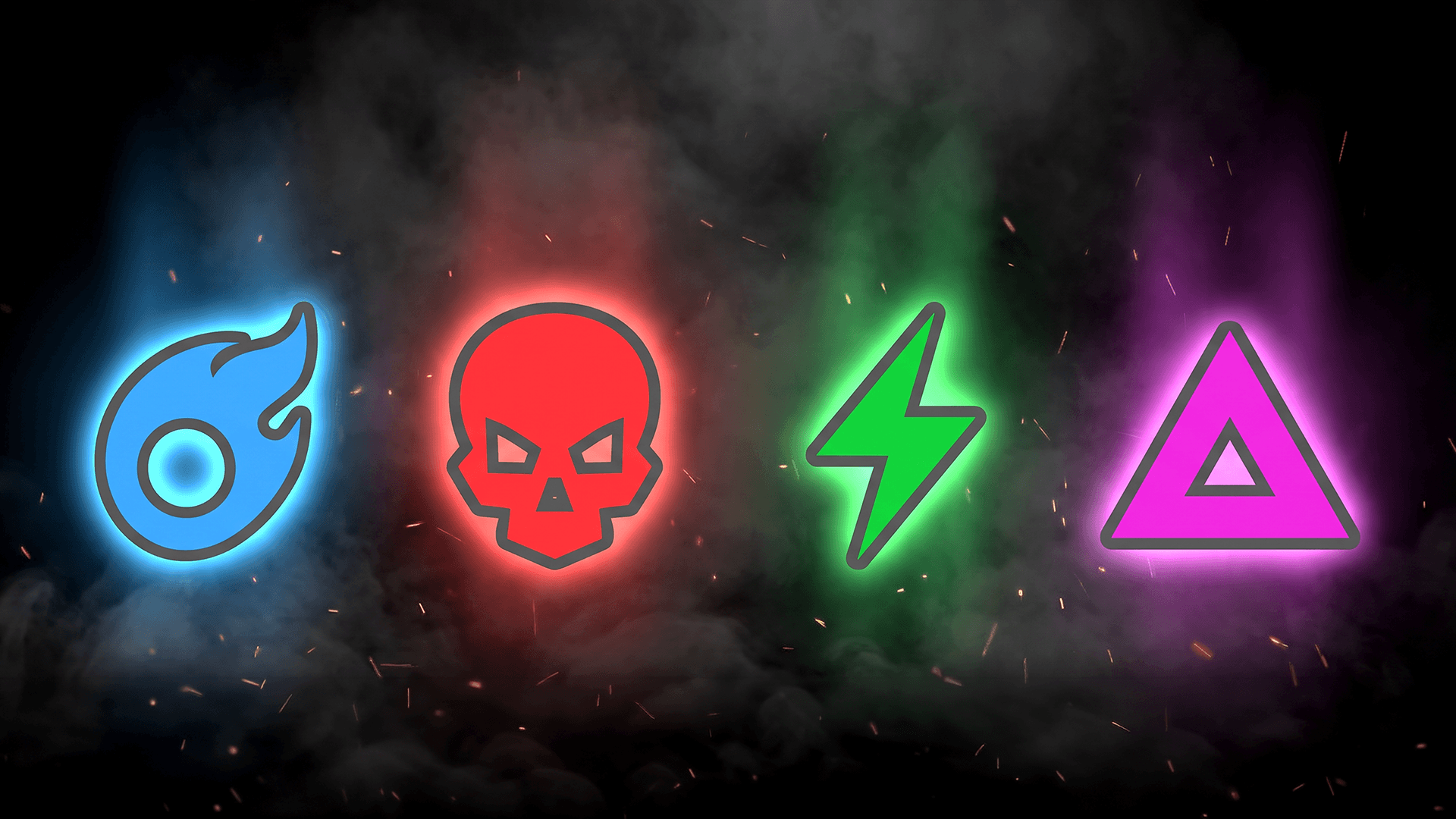
Affinities are a core battle mechanic in Raid: Shadow Legends, with every Champion belonging to one of four types: Magic, Force, Spirit, or Void. Magic, Force, and Spirit interact in a strengths and weaknesses triangle, meaning the Affinity of your Champion compared to their target can influence how effectively they perform. Void sits outside this triangle and remains neutral against every Affinity.
These matchups can affect your damage, chances of landing certain types of effects, and whether effects from your attacks successfully apply. This makes Affinity important when selecting Champions for everything from Dungeon and Boss teams to Arena battles, as a Champion who performs reliably against one Affinity may become less consistent when facing their weak matchup.
The Affinity Triangle Explained

Understanding Strong & Weak Affinity
Before breaking down each matchup, it’s important to understand that Magic, Spirit, and Force all follow the same Affinity rules:
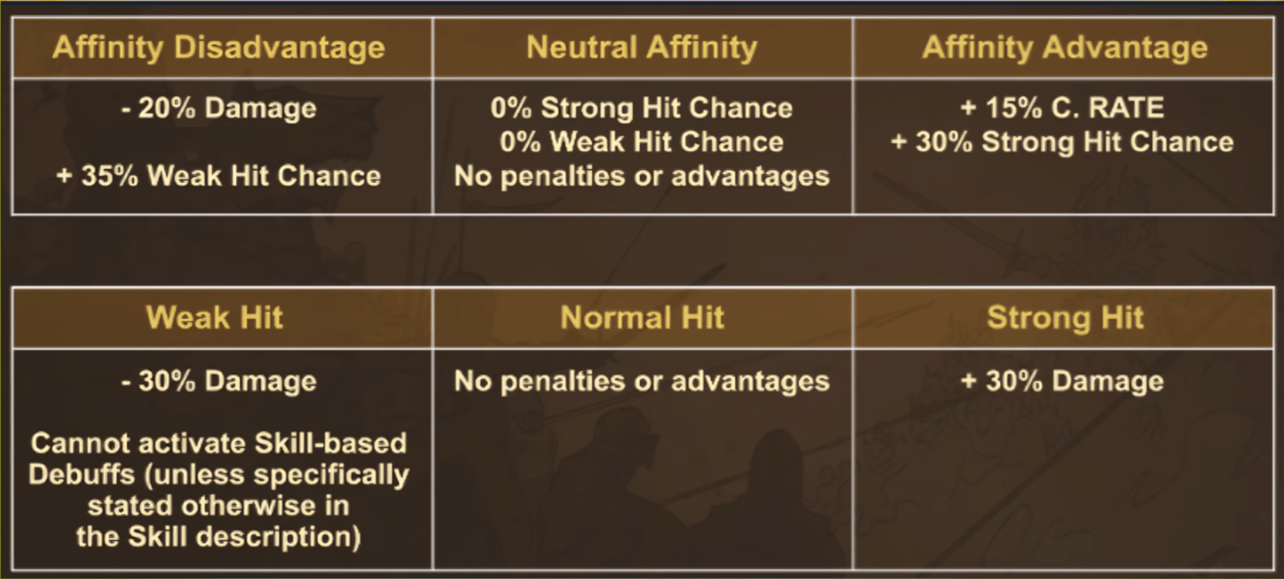
When attacking an Affinity you’re strong against, you gain an additional 15% C.RATE and have a 30% chance of landing a Strong Hit, which deals 30% additional damage. However, Strong Hits only occur on attacks that don’t become Critical Hits, meaning Champions built with 100% C.RATE won’t gain additional damage from Strong Hits. If their C.RATE is reduced, such as when affected by Decrease C.RATE, this can create a window for non Critical attacks to potentially become Strong Hits. Against a negative Affinity, however, they’ll instead remain at risk of landing a Weak Hit.
The negative Affinity matchup has a much greater impact. When attacking an Affinity you’re weak against, your damage is reduced by 20% and you have a 35% chance of landing a Weak Hit. A Weak Hit deals a further 30% less damage and prevents debuffs and other negative effects tied to the attack from being placed. This can severely disrupt Champions that rely on effects such as Decrease DEF, HP Burn, or other important debuffs (unless otherwise stated in the kit).
In practice, Affinity disadvantage is generally much more important to consider than Affinity advantage as you progress past the early-mid game. Most dedicated damage dealers are already built with 100% C.RATE, limiting the benefit gained from a strong matchup, whereas attacking into a weak Affinity can reduce your damage and cause crucial effects to fail entirely.
However, Affinity matchups can still play a significant role in your team’s survival. Take the Demon Lord Clan Boss for example, which has just 15% C.RATE, similar to many other PvE encounters. If the boss gains an Affinity advantage against one of your Champions, the increased chance to land Critical or Strong Hits can result in considerably more incoming damage than expected, potentially causing a Champion to fall early and disrupting the rest of your run.
The Affinity Triangle
Magic is strong against Spirit.
Spirit is strong against Force.
Force is strong against Spirit.
So, for example, Magic champions have a +15% chance to land a Critical Hit (or a 30% chance to land a Strong Hit if not) against Spirit champions. Since they are on the weak side of the Affinity matchup, Spirit champions have a 35% chance to Weak Hit against Magic champions and always do 20% less damage to them too.
Void Affinity
Void sits completely outside the Affinity Triangle. It has no strong or weak matchup against Magic, Spirit, Force, or other Void Champions, meaning these battles don’t receive the advantages or disadvantages caused by Affinity.
This consistency can be extremely valuable, particularly for Champions responsible for landing important attack-based debuffs or dealing reliable damage across encounters containing multiple Affinities.
Neutral Affinity Matchups
When Magic attacks Magic, Spirit attacks Spirit, or Force attacks Force, the matchup is considered neutral. Neither Champion receives an Affinity advantage or disadvantage, meaning the normal rules of the attack apply without any Strong or Weak Affinity modifiers.
Void is also completely neutral against every Affinity. Whether a Void Champion is attacking Magic, Spirit, Force, or Void, or one of those Affinities is attacking a Void Champion, neither side gains an Affinity advantage or disadvantage. This makes Void unique, as it sits entirely outside the traditional Affinity Triangle.
How Affinity Impacts Team Building
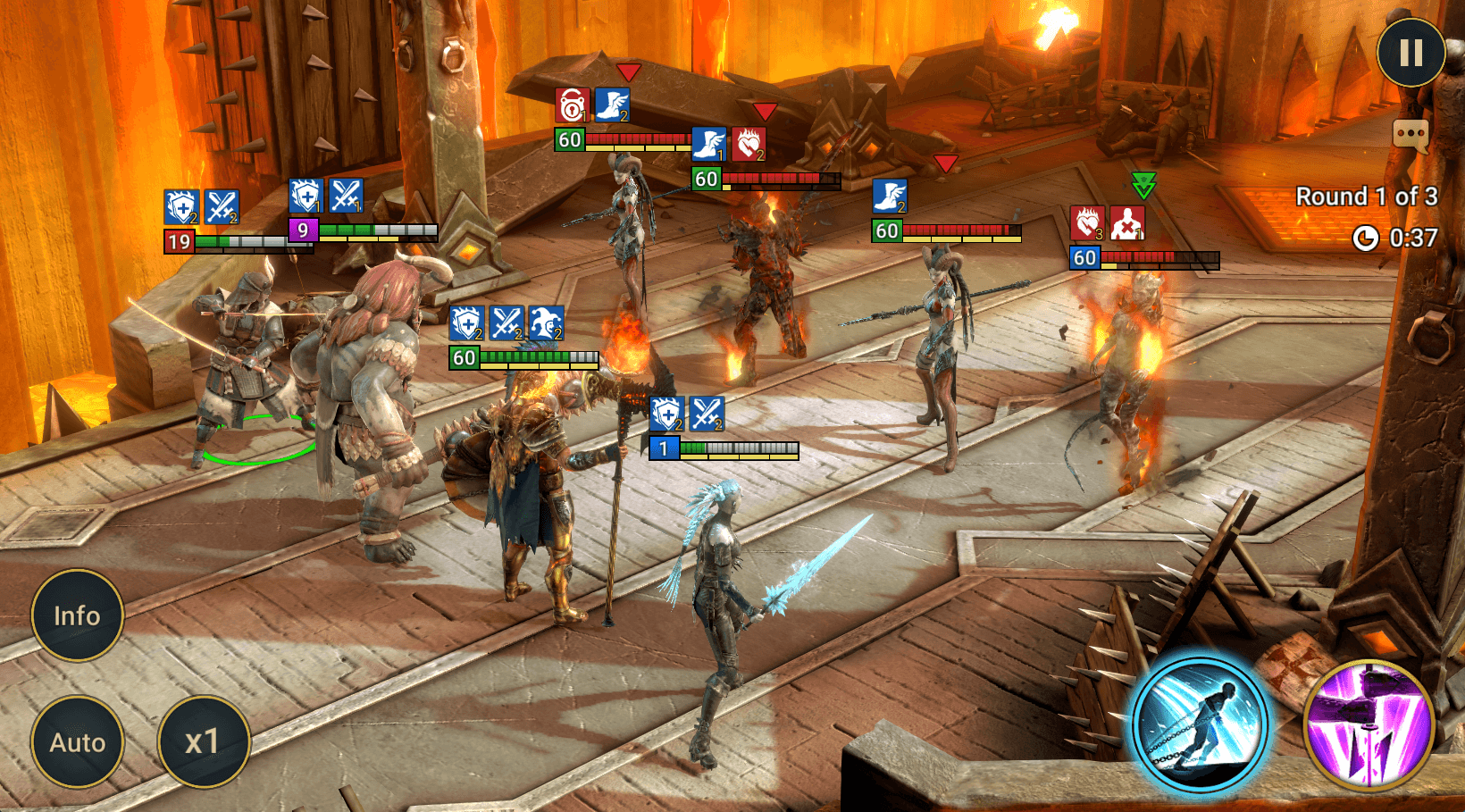
One thing to pay attention to when taking your turn against an enemy is the Affinity marker shown above them. Green indicates a positive Affinity advantage, yellow represents a neutral matchup, and red shows an Affinity disadvantage. This gives you a quick visual indication of how favourable the matchup is before attacking, which can be particularly important for avoiding Weak Hits, reduced damage, and failed debuffs or negative effects.
Take the Demon Lord Clan Boss for example. Once the boss drops below 50% HP, its Affinity can change, creating different matchups for your Champions. A negative Affinity can reduce your potential and introduce the risk of Weak Hits, potentially preventing important debuffs from being placed. Affinity can also impact survivability, as the Demon Lord has a base 15% C.RATE and an Affinity advantage can increase the threat of Critical and Strong Hits against your Champions.
The same principle carries across the rest of the game. In PvP, Affinity can influence which damage dealers or debuffers are best suited to the enemy team, while Dungeon stages can create favourable or unfavourable matchups when building reliable farming teams. Having a balanced selection of Champions across different Affinities also gives you greater flexibility in encounters such as Hydra and Chimera, where changing rotations can introduce different Affinities and require adjustments to your teams.
How Affinity Affects Debuffs and Effects
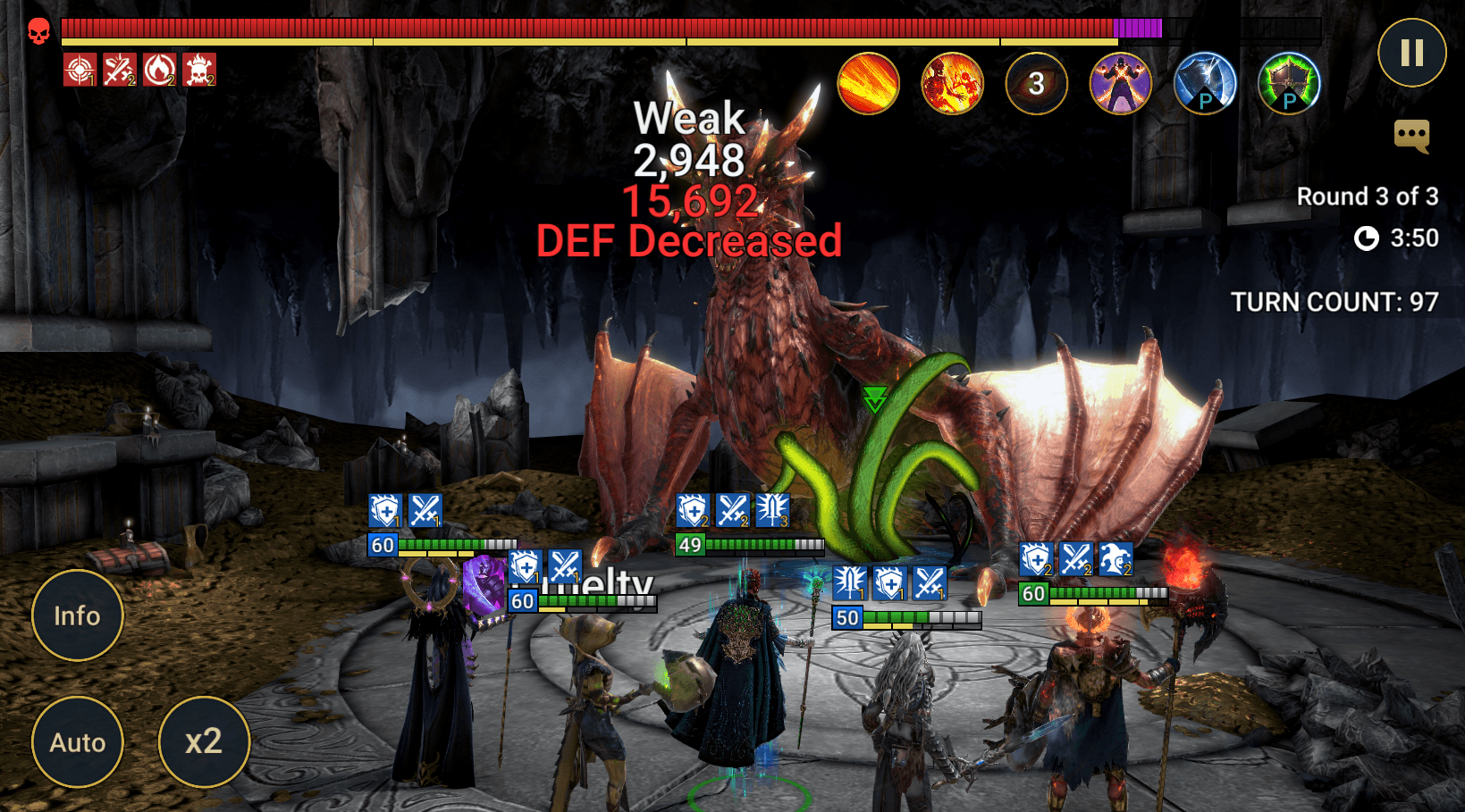
Affinity can directly affect how reliably your Champions place debuffs and negative effects when they’re tied to an attack. When attacking into a negative Affinity, there’s a 35% chance of landing a Weak Hit, which prevents debuffs and negative effects from that attack from being placed, regardless of how much ACC your Champion has. This makes Affinity especially important for Champions responsible for consistently applying key debuffs or effects such as Decrease DEF, Decrease Turn Meter, HP Burn, or Provoke.
Debuffs or negative effects which are placed without requiring an attack can bypass the risk of Weak Hits entirely, making these Champions more reliable across different Affinity matchups. The trade off is that non attacking skills don’t contribute direct damage and won’t trigger effects that require a hit, including debuffs from Artifact Sets such as Cursed or Stun.
Tips for Managing Affinity Effectively
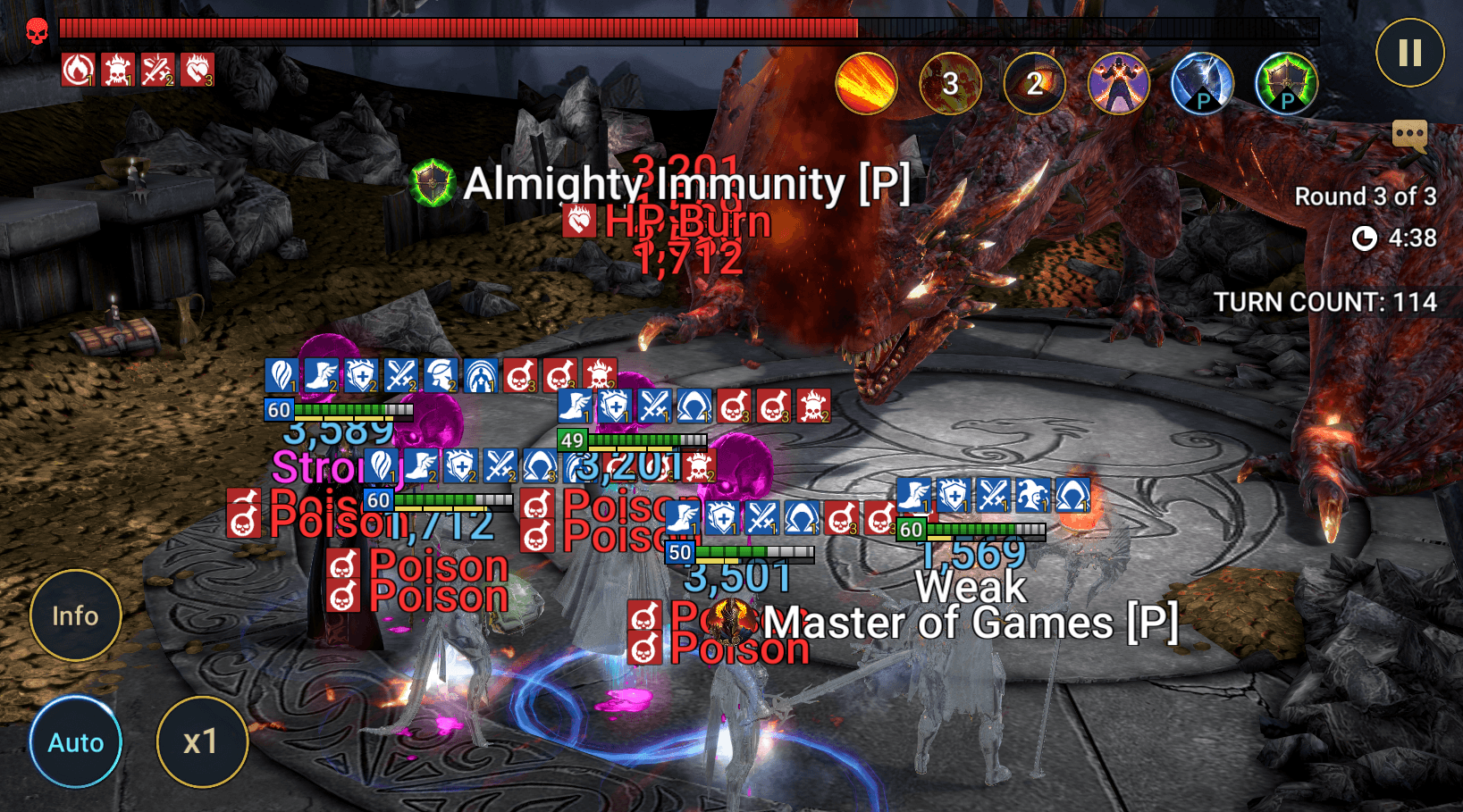
Understanding Affinity Matchups
- Watch the Affinity Markers – Green indicates a positive matchup, yellow is neutral, and red indicates a negative matchup. Checking these before attacking gives you a quick indication of how Affinity could influence the outcome.
- Be Cautious of Weak Affinity Matchups – Negative Affinity has the biggest impact to consider, reducing your damage while also giving attacks a 35% chance to Weak Hit. This can significantly reduce the consistency of both damage dealers and debuffers.
- Protect Your Important Debuffs – Weak Hits prevent debuffs and negative effects tied to the attack from being placed, regardless of your ACC. Be cautious when Champions responsible for maintaining crucial effects such as Decrease Turn Meter, Decrease DEF, HP Burn, or Provoke are attacking into negative Affinity.
- Consider Non-Attacking Debuffs – Skills that place debuffs without attacking don’t have to worry about Weak Hits, making them more reliable across different Affinity matchups. However, you sacrifice the damage of an attack and won’t trigger hit based Artifact Set effects such as Cursed or Stun.
- Don’t Overvalue Strong Affinity for Damage Dealers – Strong Affinity provides additional C.RATE and the potential for Strong Hits, but Champions already built with 100% C.RATE won’t benefit from Strong Hits. For these Champions, being cautious of negative Affinity is generally more important than specifically chasing a positive matchup.
Building Around Affinity
- Consider Affinity When Surviving Bosses – Affinity doesn’t only matter when you’re attacking. An enemy with Affinity advantage can gain additional C.RATE or potentially land Strong Hits against your Champions, which can increase incoming damage and cause otherwise stable teams to fail.
- Build for Changing Affinities – Encounters across PVE stages, as well as bosses like Demon Lord, Hydra, and Chimera can present different Affinity matchups. Having Champions of multiple Affinities available gives you more flexibility to adjust teams rather than forcing the same setup into unfavourable matchups.
- Use Void Champions for Consistency – Void is neutral when attacking or receiving attacks from every Affinity. This removes the positive and negative effects of the Affinity Triangle, making Void Champions particularly consistent across mixed or changing Affinity encounters.
- Check Affinities When Building Farm Teams – Dungeon waves and bosses can create different matchups as you progress through stages. If a farming team is occasionally failing, checking whether a key damage dealer, debuffer, or support Champion is fighting at an Affinity disadvantage can help identify the problem.
- Plan PvP Matchups Before the Battle – Affinity can make a major difference when choosing who your damage dealers and debuffers will target. Where possible, consider the Affinity of priority enemies before deciding which Champions and attacks are best suited to dealing with them.