

How Turn Meter Works in RAID: Shadow Legends
In this guide, we explore how Turn Meter works in Raid: Shadow Legends. Learn how Champions gain Turn Meter and take their turns, how SPD influences the rate it fills, the differences between Turn Meter fills and reductions, and how mastering Turn Meter manipulation can give you greater control across both PvE and PvP content.

What Is Turn Meter in RAID?

Understanding the Basics
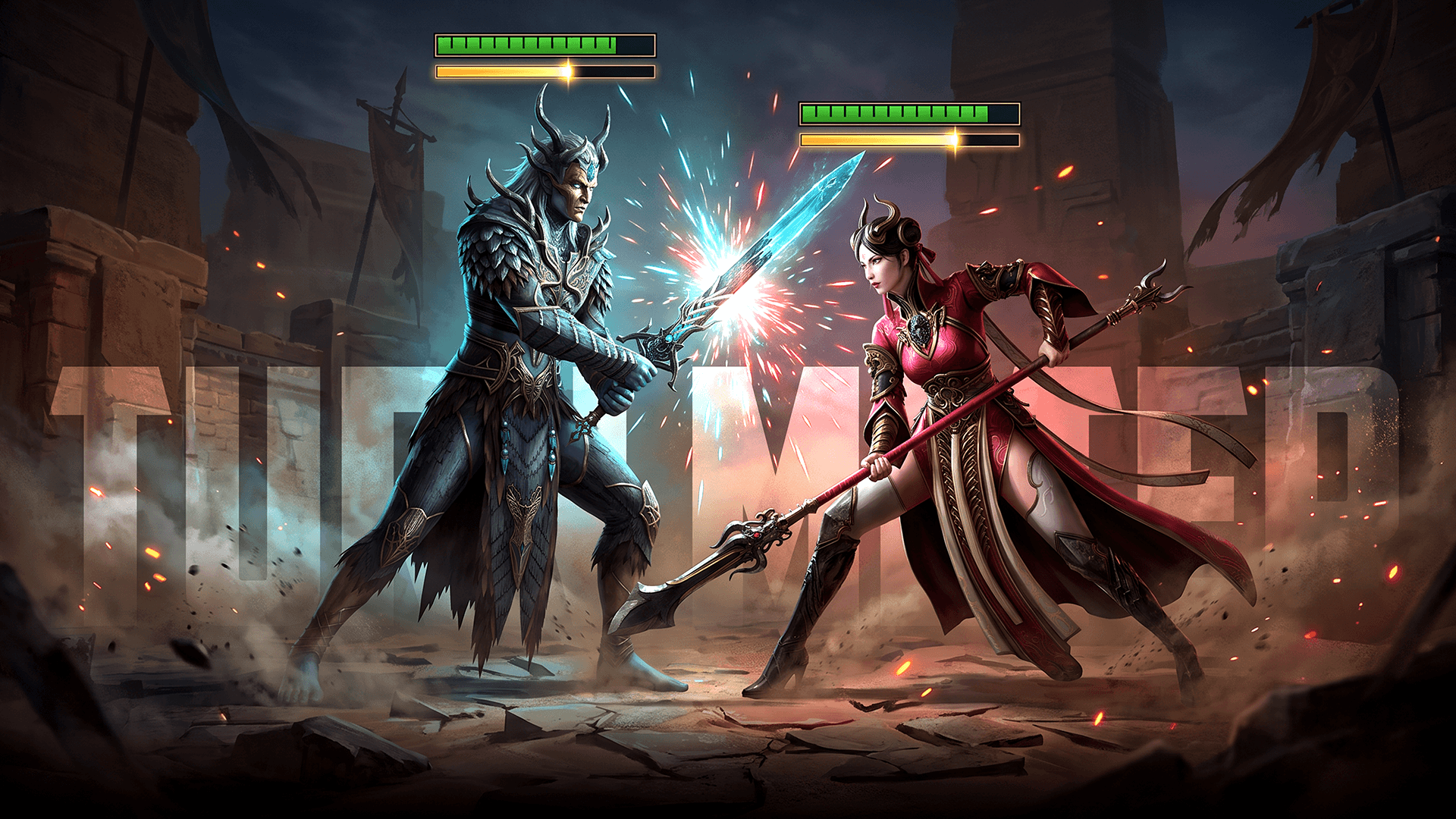
Turn Meter determines when a Champion gets to take their turn. Every Champion and enemy has a Turn Meter, displayed as the yellow bar beneath their HP, which gradually fills based on their SPD. Once the bar reaches 100%, that Champion becomes ready to act.
Turn Meter can also be directly manipulated by skills and effects. Some Champions can Increase the Turn Meter of themselves or their allies, while others can Decrease or Steal Turn Meter from enemies. This allows Champions to reach their turns earlier or delay an opponent from taking theirs.
Champions can also go beyond 100% Turn Meter. When multiple Champions from either team are ready to act, the Champion with the highest Turn Meter ticks will be positioned to take the next turn. This is particularly important to understand in PvP matchups, where Turn Meter fills can push Champions beyond 100% and influence who gets to act next.
Turn Meter & SPD
SPD determines how quickly a Champion naturally gains Turn Meter. The higher their SPD, the faster they’ll reach 100%, meaning faster Champions can take turns ahead of slower targets and potentially take multiple turns before they do.
Turn Meter fills work differently by adding directly to the Champion’s current Turn Meter. For example, a 30% Turn Meter fill adds 30% to their existing bar rather than increasing their SPD. Combining high SPD with Turn Meter fills is therefore one of the most effective ways to cycle Champions through their turns faster.
How Turn Meter and Speed Work Together

Speed Fills Turn Meter Faster
SPD directly affects how quickly a Champion builds Turn Meter. Raid calculates Turn Meter in small intervals known as ticks, with every Champion gaining an amount of Turn Meter based on their SPD each time one occurs. A higher SPD therefore means gaining more Turn Meter during these intervals and reaching your next turn sooner.
For example, a Champion with 200 SPD will gain Turn Meter at twice the rate of a Champion with 100 SPD, just as a Champion with 300 SPD will gain it at twice the rate of one with 150 SPD. This doesn’t necessarily mean they’ll alternate in a perfect two to one pattern, as Turn Meter can exceed 100% and other effects can influence the order.
Why Speed Is So Important
More SPD can benefit almost any type of Champion. Damage dealers get more opportunities to attack, healers can cycle back to their recovery skills sooner, and support Champions can refresh important buffs, debuffs or control effects more frequently.
It’s also crucial when setting up the order you want your team to act in. For example, having your Decrease DEF Champion move before your main damage dealer ensures the debuff is already active when the damage lands. In Arena, having your Turn Meter booster move first can help push the rest of your team ahead of the opposition, while carefully tuned SPD values are also important for teams designed around specific skill rotations.
Turn Meter vs Speed Buffs
Turn Meter fills and Increase SPD both help Champions reach their next turn sooner, but they achieve this in different ways. A 30% Turn Meter fill immediately adds 30% to the Champion’s current Turn Meter. Increase SPD instead raises their SPD for the duration of the buff, increasing the amount of Turn Meter ticks they gain as the battle continues.
Speed Auras provide another source of SPD, increasing the SPD of your Champions wherever the Aura is used. These effects can be combined, allowing a Champion to receive an immediate Turn Meter fill while also gaining Turn Meter faster afterwards through Increase SPD and a Speed Aura.
Lyssandra is a great example of these mechanics working together. Her Aura increases ally SPD in all battles, while Energize places Increase SPD on all allies and fills their Turn Meters, while decreasing the enemy’s, providing an immediate boost while also helping them gain Turn Meter faster afterwards.
What Is Turn Meter Manipulation?

Turn Meter manipulation is the ability to directly influence how quickly Champions reach their next turn. Filling your team’s Turn Meter can help them move sooner, outpace enemies, and potentially take additional turns before slower targets can respond. Reducing an enemy’s Turn Meter does the opposite, pushing them further away from their next turn.
This can be particularly powerful against bosses that are vulnerable to Turn Meter reduction, such as the Fire Knight and Dark Fae. With enough SPD, with placing Decrease SPD and consistent Turn Meter control, teams can repeatedly push a boss back while cycling through their own turns, potentially limiting how often the enemies get to act.
Some skills can also Steal Turn Meter, combining both effects by taking Turn Meter from the target and adding it to the Champion using the skill. Whether you’re boosting allies, reducing enemies, or stealing Turn Meter, the overall goal is similar: create more opportunities for your team to act while limiting the turns available to the enemy.
Why Turn Meter Control Is So Powerful
Every additional turn creates another opportunity to attack, heal, refresh buffs, apply debuffs, or cycle towards important skills coming off cooldown. This is why Turn Meter manipulation can be valuable even when the skill itself doesn’t deal significant damage.
In encounters where Turn Meter reduction is effective, controlling the enemy can sometimes be more valuable than simply dealing more damage. Champions such as Alure and Armiger are well known for repeatedly reducing Turn Meter against bosses, while Turn Meter boosters can help your entire team cycle faster and maintain that pressure.
With the right combination of SPD, Decrease SPD, Turn Meter fills, and Turn Meter reduction, some teams can reach a point where certain enemies or bosses take very few turns at all. This won’t work everywhere, however, as some bosses are immune to Turn Meter reduction or have passives that reduce its effectiveness.
Speed Tuning
Turn Meter is also important when creating Speed Tunes for areas such as the Demon Lord Clan Boss. Carefully managing each Champion’s SPD and avoiding unwanted Turn Meter changes allows your team to follow a consistent turn order, helping important buffs, debuffs, and defensive skills remain active at exactly the right moments.
Best Areas to Use Turn Meter Control

Arena
Turn Meter manipulation can be incredibly important in Arena, where taking the first few turns can allow you to establish your strategy before the enemy has a chance to respond. Turn Meter boosters are commonly used to push the rest of the team forward, allowing your debuffers, support Champions, and damage dealers to follow in the intended order.
It can also help prevent faster enemies from cutting into your team’s rotation. However, with Turn Meter ticks capable of exceeding 100%, simply filling an ally’s Turn Meter doesn’t always guarantee they’ll move next, making SPD and careful team tuning equally important.
Fire Knight
Turn Meter reduction is one of the strongest effects for controlling the Fire Knight once his Shield has been broken. By repeatedly decreasing his Turn Meter, you can delay his next turn and prevent the Shield from returning, giving your team more time to apply debuffs and deal damage.
Champions such as Alure are particularly effective for this role, but the same principle applies to any reliable Turn Meter controller. Combining reduction with Decrease SPD and your own Turn Meter fills can create a large turn advantage over the boss.
Dark Fae
Turn Meter manipulation is a major part of controlling the Dark Fae. Once you’ve defeated the Mirror Copies, reducing the boss’s Turn Meter while accelerating your own team can heavily restrict how frequently she gets to use her skills.
Champions such as Alure and Lyssandra can provide strong control here, while Decrease SPD can further widen the gap between your team’s turns and the boss’s. The aim is to clear the copies quickly, then establish enough Turn Meter control to keep the Dark Fae pushed back while your team wears her down.
Doom Tower & Other PvE Encounters
Turn Meter Champions can be valuable against any boss, enemy, or wave that’s vulnerable to the effect. Rather than only increasing your damage, manipulating Turn Meter creates the foundation for outpacing enemies and limiting how often they can respond. This gives your damage dealers, debuffers, and support Champions more opportunities to carry out their roles before the enemy can disrupt your strategy.
Doom Tower provides plenty of opportunities for this, from controlling difficult waves to restricting bosses such as the Scarab King. The same approach can be applied throughout other PvE areas whenever Turn Meter reduction is needed.
However, Turn Meter manipulation isn’t automatically beneficial in every encounter. Some bosses are immune or resistant to Turn Meter reduction, while others actively punish you for using it. Bommal is a key example, spawning a Dreadbomb whenever his Turn Meter is decreased, meaning a mechanic that’s extremely powerful elsewhere can actively expose your team in this fight.
Top Tips for Using Turn Meter Champions

Turn Meter Fill
- Make Your Booster Fast – Your Turn Meter booster will often need to take the first turn for the rest of the team to benefit, so prioritising high SPD helps establish your rotation before the enemy can respond.
- Consider Turn Meter Overflow – Filling a Champion to 100% doesn’t guarantee they’ll act next. Turn Meter ticks can exceed 100%, so an enemy with greater overflow may still take priority.
- Build Around Your Turn Order – Use Turn Meter fills to bring important Champions into the fight sooner, such as pushing a debuffer ahead of your damage dealer or helping your support Champions cycle back to key skills.
Turn Meter Reduction
- Target Priority Enemies – Reducing Turn Meter can delay dangerous Champions or bosses and give your team additional opportunities to control or defeat them before they act.
- Take Advantage of Vulnerable Bosses – Bosses such as the Fire Knight and Dark Fae can be heavily restricted by consistent Turn Meter reduction, potentially allowing your team to take multiple turns while the boss struggles to take one.
- Check the Boss Mechanics First – Turn Meter reduction isn’t effective everywhere. Some bosses are immune or reduce its effectiveness, while encounters such as Bommal actively punish Turn Meter reduction by spawning Dreadbombs.
Increase & Decrease SPD
- Combine SPD with Turn Meter Control – Increase SPD helps your Champions generate Turn Meter ticks faster, while Decrease SPD slows the enemy’s natural Turn Meter gain. Combining these with Turn Meter fills and reductions can create a much larger gap between your turns and theirs.
- Prioritise High SPD Builds – Turn Meter manipulation becomes even stronger when your Champions are already fast. High SPD helps them cycle their control skills more frequently and maintain pressure on enemies.
- Use Decrease SPD on Bosses – Against vulnerable bosses, Decrease SPD can work alongside Turn Meter reduction to make it much harder for them to reach their next turn.
Turn Meter Steal
- Gain While They Lose – Stealing Turn Meter provides both control and acceleration, reducing the target’s Turn Meter while adding the stolen amount to the Champion using the skill (depending on the value stated in the kit).
- Watch Your Speed Tunes – Turn Meter Steal and other unexpected fills can push a Champion ahead of the intended rotation. This can be useful for general progression, but problematic in precisely tuned teams where buffs, debuffs, and skills need to activate at specific times.