


Champion Building in the Late Game of RAID: Shadow Legends
As you progress into the late game of RAID: Shadow Legends, one truth becomes undeniable: your vault overflows with potential, yet you’ll never have enough time, silver, or gear to fully realize it all. Champions pile up. Gear is scarce. Silver vanishes. And suddenly, even after years of play, you’re asking yourself, “Where do I even start?”
This is where prioritization becomes essential. Let’s break it down.
Most Champions Don’t Matter—And That’s Okay
First and foremost, you need to accept a simple fact: the majority of champions in your account are not worth your immediate attention. You’ll use maybe 10% of them regularly, and those few will soak up most of your time and resources. The rest? They’re nice to have, and maybe you’ll dust them off for Faction Wars or the odd Cursed City rotation, but they don’t need perfect builds. In fact, they barely need gear at all.
This is the foundation of late-game roster management. Only a small pool of champions actively influence your progression and performance in meaningful content. The rest can wait—or be forgotten entirely.
What You Can Ignore Entirely

Content that once mattered is now trivial. Doom Tower, Faction Wars, Demon Lord Clan Boss, and campaign progression were crucial during your early game journey. But once completed, these modes become background noise. You can run them on auto with outdated gear, and even if your champions there are no longer min-maxed, you’ll still get the job done. There’s no need to update their builds unless you’re looking to optimize for fun.
Where Prioritization Truly Begins
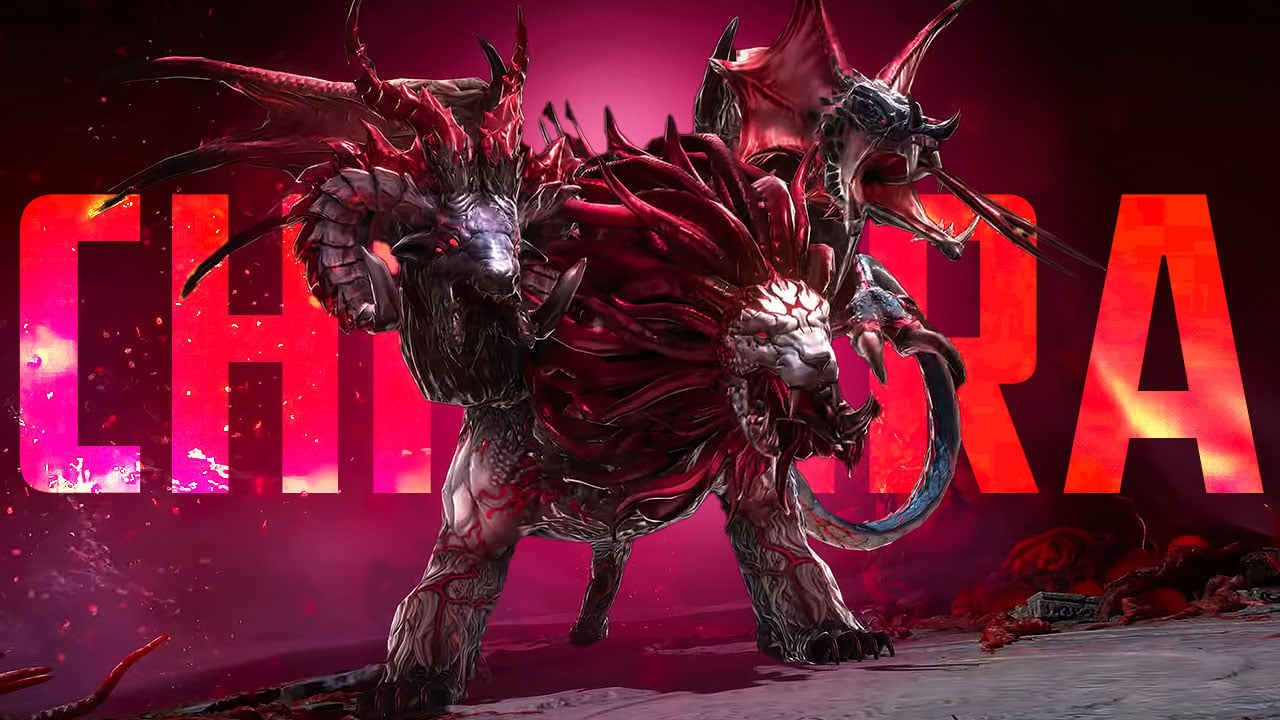
The real heart of the late game lies in content that continues to evolve, challenge, and reward: Arena (including Tag and Live Arena), Hydra Clan Boss, Chimera, and Cursed City. These are the endgame systems that still demand attention—and your strongest champions.
This is where you shift focus entirely. Instead of gearing broadly, you gear with purpose. Instead of ascending everyone, you invest deeply in a select few. These game modes pit you against other players or high-level mechanics, so your champions need not just functional builds, but optimized ones.
Understanding Champion Priorities
Your champion roster falls into three categories: non-priority, low priority, and high priority.
Non-priority champions are those used exclusively in legacy content. Once they’re built to clear Faction Wars or sit in a campaign farm team, their gear becomes fixed and forgotten. You rarely, if ever, return to them.
Low priority champions fill roles in dungeons and routine content. Think Seer, Ninja, Kymar, or Mithrala in your speed-farming teams. They don’t need your best gear, just reliable enough setups to clear content quickly and consistently. Once they’re built, you can lock their gear and leave them alone. They’ll quietly keep earning you resources behind the scenes.
High priority champions are the real stars. These are your Arena nukers, your Live Arena supports, your Hydra control units, and your Chimera damage dealers. They require the best gear, the most attention, and the strongest relics and blessings you can offer. These champions evolve with your account—and with the meta.
Managing Gear Scarcity
One of the most common frustrations players face is the lack of gear for all their high-potential champions. The truth is, even five-year veterans feel this pain. Even whales can’t fully gear every champion, especially when the best sets like Protection, Merciless, Supersonic, and Pinpoint are time-gated through endgame content.
That’s why strategic focus is so crucial. You won’t have enough for everyone, but you will have enough for the right ones. For example, your Arena roster doesn’t need twenty nukers. It needs five great ones—ideally with complementary builds for different situations. One might specialize in lethal damage, another in bombs, another in high-speed control, and a couple built for go-second teams with heavy survivability.
Similarly, for PvE content like Hydra and Chimera, you don’t need a broad roster—you need synergy. A well-built Ninja or Marius, backed by dedicated support units, can handle multiple roles and carry entire teams. Champions like these should receive your top gear, top relics, and soul investments.
Examples of Efficient Prioritization
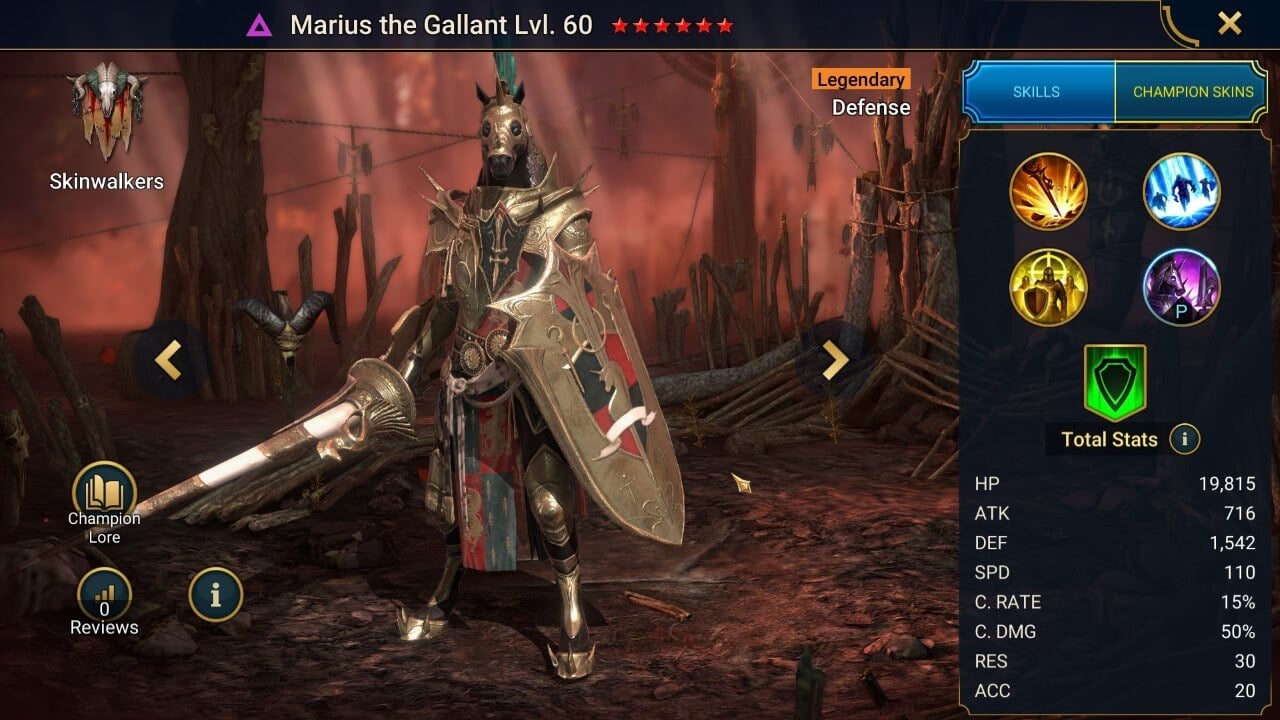
Take a look at champions like Thor or Marius. Thor, as a recent fusion, performs exceptionally well in both Arena and PvE. He’s a perfect example of a high-return investment. Marius, likewise, is versatile, tanky, and excellent in Arena, Hydra, and Chimera. Giving these champions your best relics, souls, and optimized gear builds is a no-brainer.
Compare that to a champion like Seer. She’s still incredible, but her purpose is niche. Once she’s geared to clear dungeons, you don’t need to touch her again unless you want to shave seconds off your runs. She’s important—but not worth reworking every patch.
Arena: Building the Core

For Arena, you’ll want a well-rounded core team—generally around 20 champions max. You need options for bombs, go-second setups, speed races, and control teams. Within these 20, you’ll find about five to ten nukers you consistently rely on, and a handful of supports that rotate depending on the meta and bans.
Tag Arena can be handled with just three strong teams, each designed with synergy in mind. Live Arena will challenge you to diversify, especially when facing bans. But even then, you’re likely rotating between the same top-tier core, just in different configurations.
Late Game Doesn’t Mean More. It Means Smarter.
It’s not about building everyone, it’s about knowing who to build and why. Every time you pull a new legendary, ask yourself: Will this champion make it into my Arena team? My Hydra rotation? My Chimera core? If not, then it’s okay to let them wait.
Be sure to invest in champions that offer versatility across game modes and invest deeply in champions who define your strongest teams. Lock gear on low-priority champions that need to do one thing well and nothing more.
And most importantly, don’t let your growing vault make you feel like you’re falling behind, you’re not. The strongest accounts aren’t the ones with the most champions built, they’re the ones with the right champions built properly. So focus less on completion and more on competition – build smart, play sharp, and keep pushing forward.